

Every ad team knows this moment. The ad is finished, approved and scheduled, and then the price changes. Or legal wants a word out of the headline. Or the same ad needs to run in a second language.
When the words are part of the picture, any of those means starting again. A fresh render can change more than the text. The light, the hand and the product's position can all come out a little different.
An editable ad avoids this by never baking the words in.
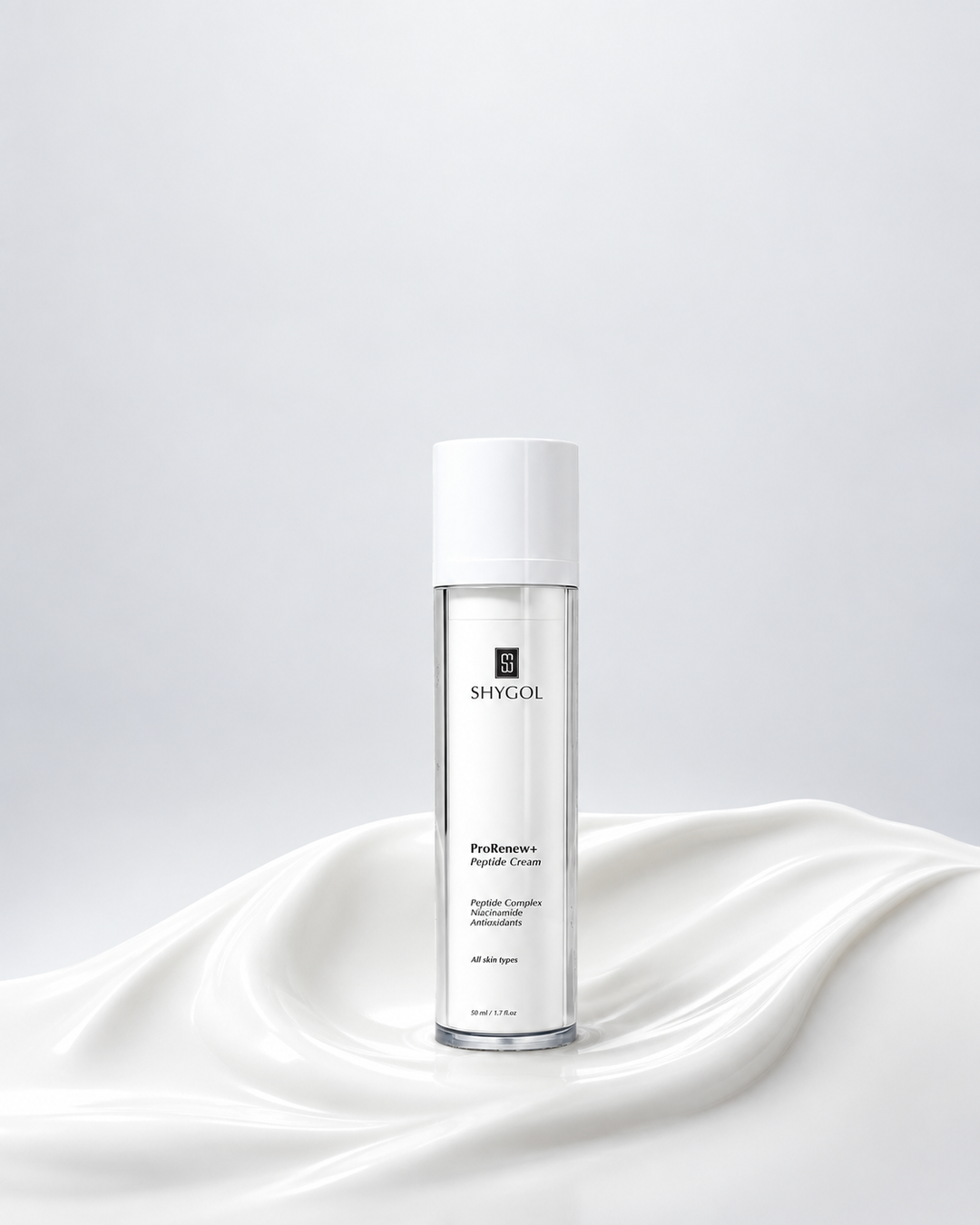
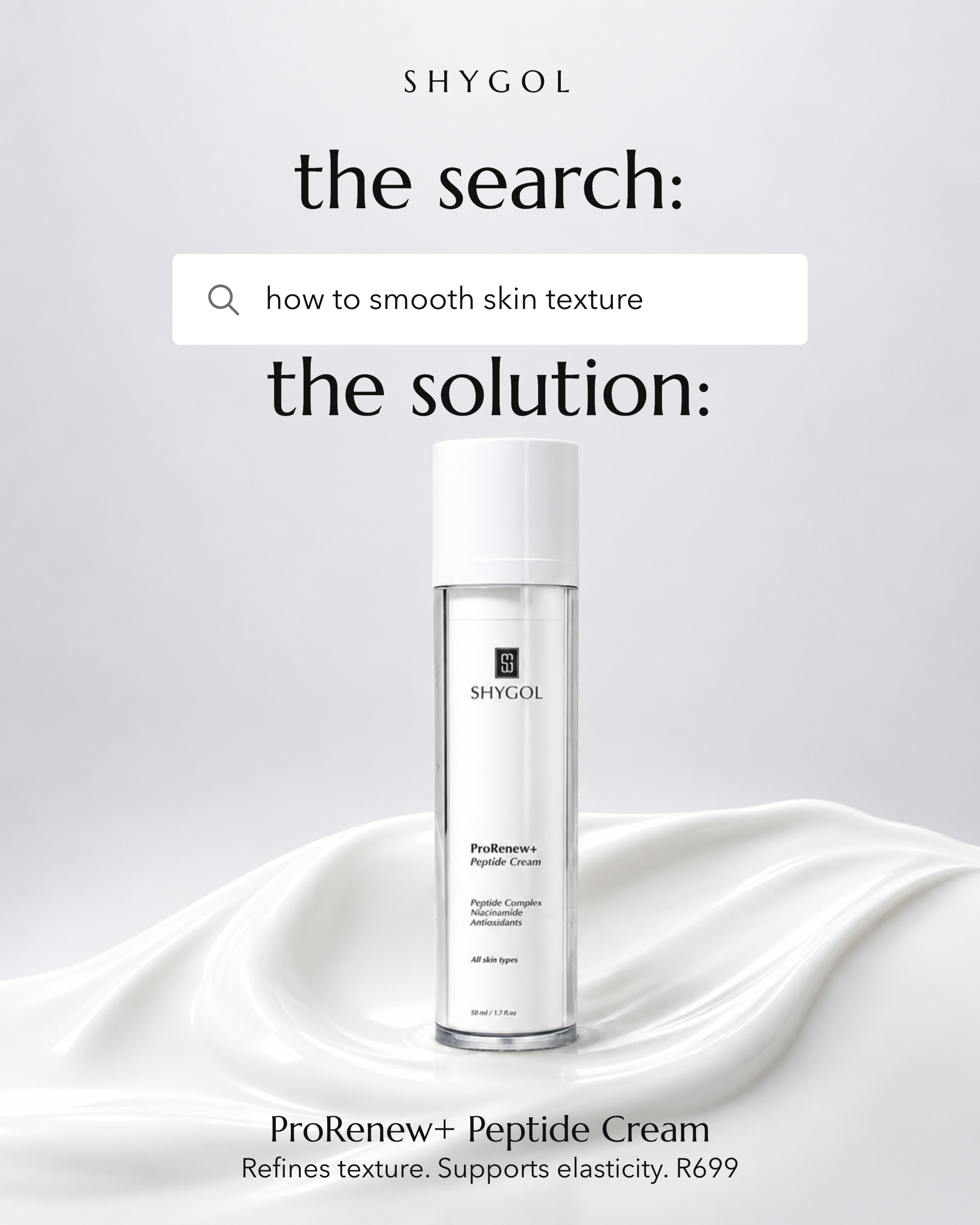
Two layers
The first is the plate. It's the photograph, made with no text, logos or interface elements in it. It holds the light, the product and the mood.
The second is the copy. Wordmark, headlines, search bar, product name and price are built on top as separate objects in the brand's own typeface. We build them in Paper, a design tool where every element stays a live object until export. Each one can be selected, moved and rewritten on its own.
Because the layers stay apart, a change to one leaves the other alone.


What you can do with it
Change a price or offer by editing one text box. R699 becomes R599 and the photograph stays exactly as it was.
Test headlines on a single photograph. Five headlines means five edits. Since nothing else moves, the ad account is measuring the copy.
Handle client and compliance feedback quickly. A request to soften a word is a small edit, not another round of renders and approvals.
Run other languages and markets from one image. The words swap and the picture stays.
Cover every placement. Each ad goes out as a 4:5 feed version and a 9:16 full-screen version, with the layout rebuilt for each ratio and the same copy underneath.
Keep the type correct. Real fonts set as live text follow the brand guidelines for spelling and spacing, which an image model tends to approximate.
Why the extra step is worth it
Generating a whole ad in one pass is faster for the first version and slower for every version after it. A campaign is rarely one version. There's the original, the revision, the language variants, the second offer and the new placement.
Keeping the layers separate costs a little more up front and saves most of the work from the second round on. It also changes what a client receives. They get a working file their team can open and adjust.
If your ads are flat images and every small change means starting over, fix that first.